
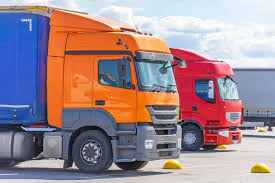
Efficient logistics are the backbone of any business, and choosing the right transport method is key to success. Among the various shipping options available, road freight in UK remains one of the most reliable and widely used methods. It offers flexibility, cost-effectiveness, and accessibility, making it essential for businesses of all sizes.
In this blog, we’ll break down the cost, speed, and scenarios where road freight in UK is the ideal solution for logistics.
What Is Road Freight?
Road freight refers to the transportation of goods by trucks, lorries, or vans. In the UK, it connects suppliers, warehouses, retailers, and end customers through an extensive road network. Businesses often choose road freight in UK for domestic deliveries and cross-border trade with Europe.
Cost of Road Freight in UK
The cost of road freight in UK depends on factors such as:
Distance = Longer routes increase overall costs.
Weight & Volume = Heavier or bulkier cargo is more expensive.
Fuel Prices = Fluctuating fuel rates directly affect transport costs.
Service Type = Standard vs. express delivery options.
Compared to air or sea freight, road freight is often more affordable for short to medium distances, especially within the UK and neighboring European markets.
Speed of Road Freight in UK
One of the main advantages of road freight in UK is speed for regional and domestic deliveries. Benefits include:
Same-Day or Next-Day Delivery = Perfect for e-commerce and urgent shipments.
Flexible Scheduling = Trucks can operate 24/7 for timely deliveries.
Door-to-Door Service = Eliminates the need for additional handling at ports or airports.
While it can’t match the global speed of air freight, road freight is often faster and more convenient for UK-based shipments.
When to Choose Road Freight in UK
Road transport is the right option in these scenarios:
Short to Medium Distances = Ideal for domestic and near-European deliveries.
Cost-Conscious Shipments = More affordable than air freight.
Time-Sensitive Deliveries = Next-day or same-day options available.
Flexible Routes = Perfect for locations without access to airports or seaports.
Smaller Shipments = Suited for parcels, pallets, and part-loads.
Best Practices for Businesses Using Road Freight
To optimize road freight in UK, businesses should:
Partner with reliable logistics providers for consistent service.
Track shipments with GPS-enabled tools for transparency.
Consolidate goods to reduce costs on smaller loads.
Plan routes in advance to avoid traffic delays.
Ensure proper packaging for protection during transport.
The Future of Road Freight in the UK
Technology and sustainability are shaping the future of logistics. Many providers offering road freight in UK are investing in electric vehicles, AI-driven route optimization, and real-time tracking solutions. These advancements will make road freight even more cost-efficient and eco-friendly in the coming years.
Final Thoughts
For businesses operating within the UK and Europe, road freight in UK remains a reliable, cost-effective, and flexible shipping solution. By understanding its costs, delivery speed, and ideal use cases, companies can make smarter logistics decisions that boost efficiency and customer satisfaction.