
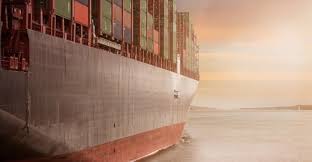
When it comes to international trade, businesses have multiple transportation options to move goods across borders. Among them, shipping via sea freight services is one of the most widely used methods, especially for bulk cargo. While it may not be the fastest, it offers unique benefits that make it a cost-effective and practical choice for many companies.
In this guide, we’ll explore the pros and cons of shipping via sea freight services and when businesses should consider it over other transport modes.
What Is Sea Freight Shipping?
Sea freight shipping refers to the transport of goods via cargo ships across oceans and seas. Businesses often choose shipping via sea freight services for large, heavy, or bulk shipments that aren’t time-sensitive. With major global shipping routes connecting the UK to the rest of the world, it remains a backbone of international trade.
Pros of Shipping via Sea Freight Services
Choosing shipping via sea freight services offers several advantages:
Cost-Effective for Large Cargo = The most affordable option for bulk or heavy goods.
High Capacity = Cargo ships can handle oversized and large-volume shipments.
Eco-Friendly = Lower carbon emissions per ton compared to air freight.
Global Coverage = Access to major trade routes and international ports.
Flexibility = Suitable for both Full Container Load (FCL) and Less than Container Load (LCL).
Cons of Shipping via Sea Freight Services
Despite its advantages, businesses should also consider the drawbacks:
Slower Transit Times = Not ideal for urgent or time-sensitive goods.
Weather & Port Delays = Shipments can be affected by unforeseen conditions.
Complex Documentation = Requires customs paperwork and compliance.
Higher Risk of Damage = Longer transit times may increase risks for fragile goods.
When to Choose Shipping via Sea Freight Services
Sea freight is the right choice for businesses in the following scenarios:
Bulk Shipments = Moving large volumes of raw materials or finished products.
Non-Urgent Deliveries = Goods that don’t require express delivery timelines.
Cost-Conscious Logistics = When budget is more important than speed.
Heavy or Oversized Cargo = Machinery, construction materials, or vehicles.
International Trade Expansion = Businesses looking to scale into global markets.
Best Practices for Businesses
To get the most from shipping via sea freight services, follow these tips:
Plan shipments well in advance to account for longer transit times.
Work with experienced freight forwarders for documentation and customs clearance.
Compare carriers and routes for cost savings.
Insure valuable cargo to minimize financial risks.
Use tracking tools to monitor shipments in real-time.
The Future of Sea Freight
The logistics industry is evolving with technology and sustainability efforts. Many providers offering shipping via sea freight services are adopting eco-friendly fuels, digital platforms, and AI-powered logistics solutions to improve efficiency and reduce environmental impact.
Final Thoughts
While it may not be the fastest method, shipping via sea freight services remains one of the most reliable and cost-effective options for businesses moving large volumes of goods internationally. By weighing the pros and cons and following best practices, companies can make informed decisions that enhance efficiency and reduce costs in global trade.